


Dust Explosion Prevention
Protect your facility with custom dust explosion prevention systems designed to minimize combustible dust hazards, control ignition sources, and enhance industrial safety.
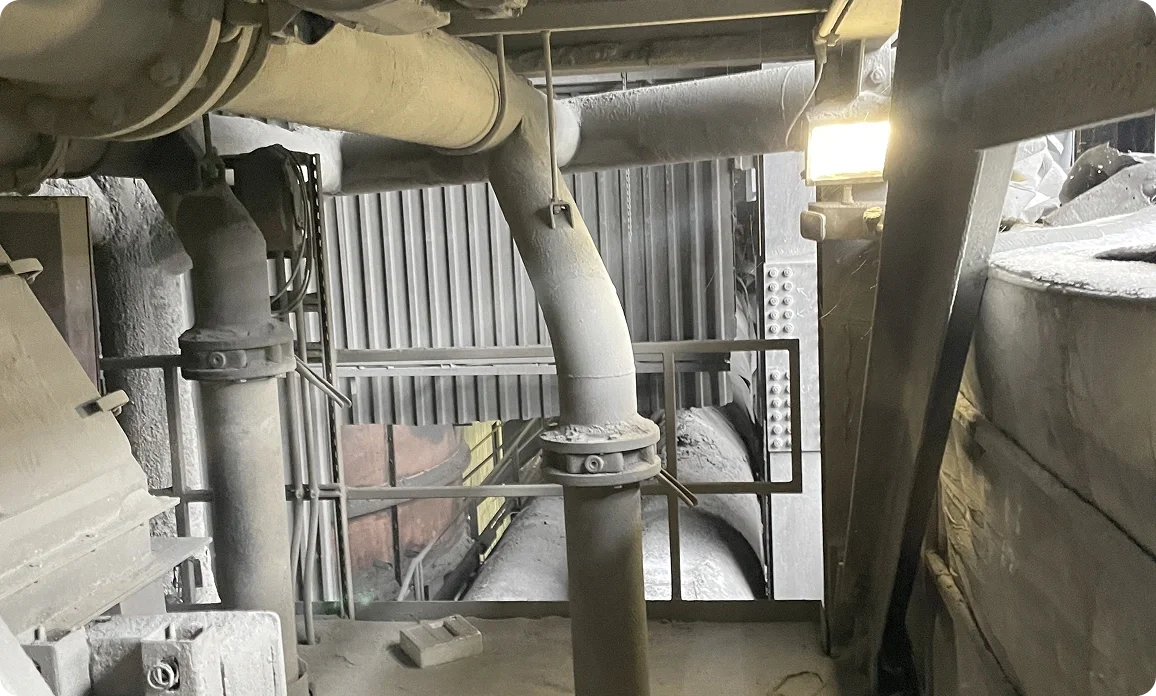
Dust Explosion Prevention Services
Industrial facilities that process combustible materials face unique safety challenges. Our engineering team develops comprehensive dust explosion prevention solutions that help reduce explosion risks while supporting safe, efficient, and compliant operations.
From Dust Hazard Analysis (DHA) to explosion venting, isolation, spark detection, and suppression systems, we design integrated solutions that help facilities meet OSHA and NFPA requirements while minimizing combustible dust hazards.
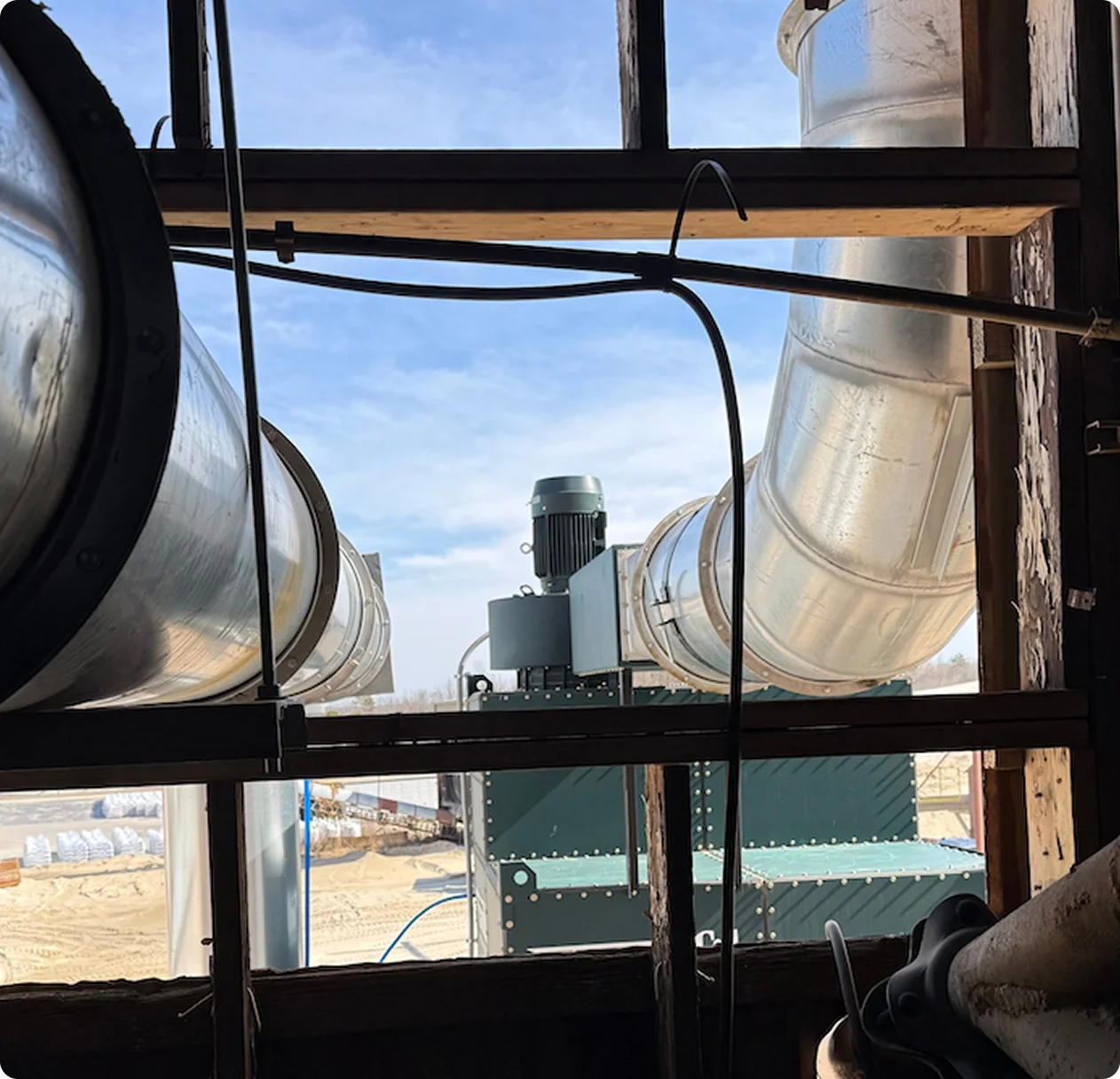
Types of Dust Explosion Prevention Solutions

Dust Hazard Analysis (DHA)
Evaluate combustible dust hazards, identify ignition sources, and develop mitigation strategies to support OSHA and NFPA compliance.
Explosion Venting Systems
Safely relieve explosion pressure to help protect equipment, personnel, and facility structures.
Explosion Isolation Systems
Prevent flames and pressure from spreading between interconnected equipment and process lines.
Spark Detection & Suppression
Detect sparks or hot particles before they ignite combustible dust and automatically activate suppression systems.
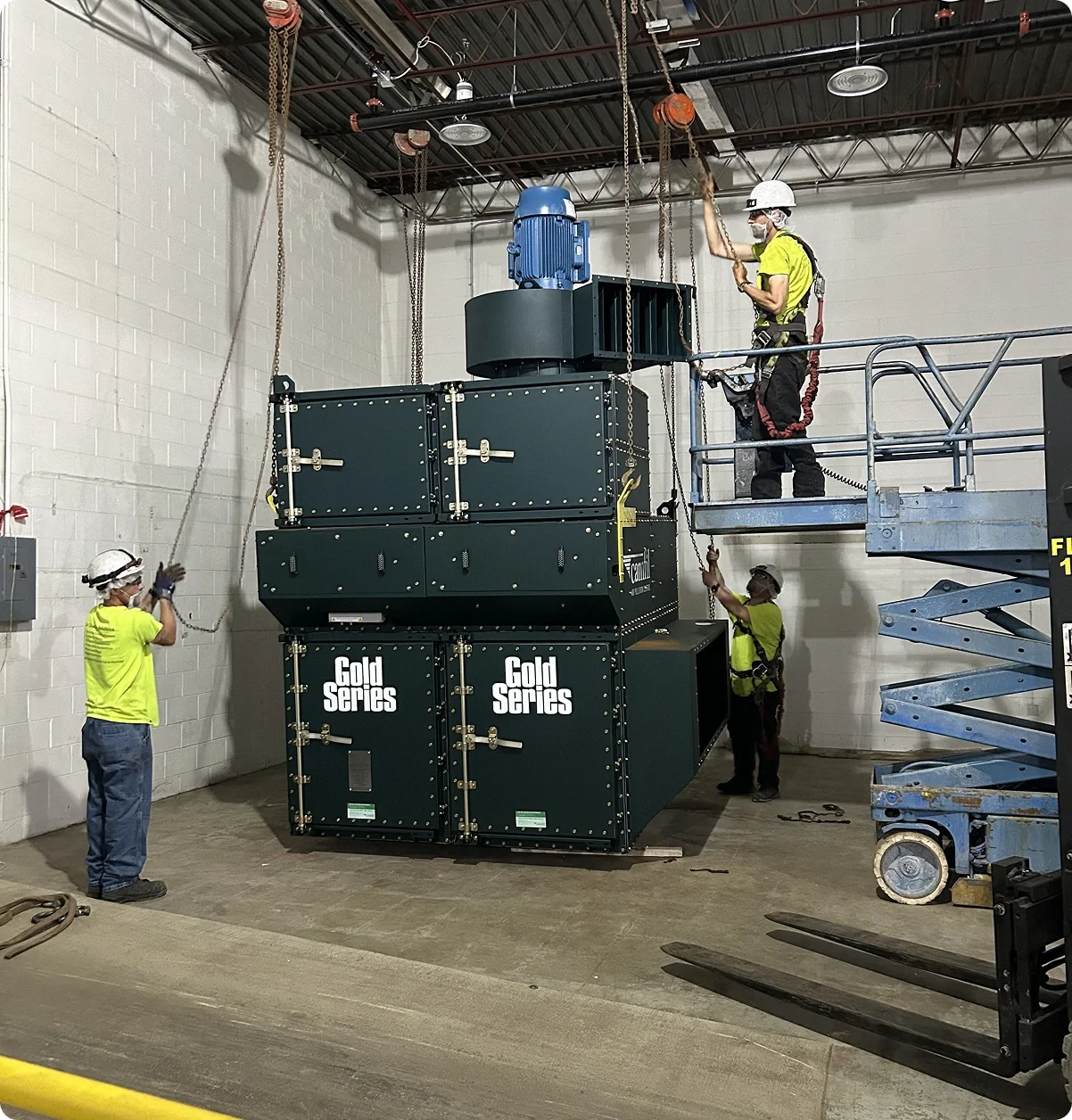
Why Choose Air Quality Engineers?
We provide engineered combustible dust safety solutions that help facilities reduce explosion risks, improve compliance, and protect employees, equipment, and operations.
Custom Dust Safety Solutions – Designed around your facility, materials, and production processes.
Dust Hazard Analysis Expertise – Identify combustible dust hazards and recommend practical mitigation strategies.
NFPA & OSHA Compliance Support – Solutions engineered to support applicable safety codes and standards.
Comprehensive Risk Assessments – Identify hazards and implement practical mitigation strategies.
Integrated Protection Systems – Explosion venting, isolation, spark detection, and suppression working together.
Reliable Long-Term Performance – Engineered systems built for dependable protection and operational efficiency.
Serving Diverse Industries
Facilities that generate combustible dust require engineered protection to reduce explosion risks and maintain safe operations. Our dust explosion prevention solutions support OSHA and NFPA compliance across a wide range of industrial environments.

Agriculture and Grain

Cement & Building Materials


Industrial Processing Plants


Recycling & Material Recovery



Looking for more services?
QUESTIONS
Frequently Asked Questions
Get answers about our process, service areas, and air quality solutions.
-
Dust explosion prevention involves identifying combustible dust hazards and implementing engineering controls to reduce the risk of explosions in industrial facilities.
-
Many combustible materials can create an explosion hazard when finely divided and suspended in the air. Examples include dust from grain and agricultural products, food and spices, wood, pharmaceuticals, chemicals, metals, and other combustible materials. The level of risk depends on the material and specific process conditions.
-
A Dust Hazard Analysis is a systematic evaluation of processes and equipment that handle or generate combustible dust. It helps identify potential fire and explosion hazards, ignition sources, and areas where additional engineering controls or mitigation measures may be needed.
-
Properly engineered dust collection systems help control combustible dust by capturing it at the source and reducing the amount of dust that can accumulate or become airborne. When combined with appropriate explosion protection and isolation measures, dust collection can be an important part of an overall combustible dust safety strategy.
-
Explosion venting is a protective measure designed to safely relieve pressure if an explosion occurs inside equipment or an enclosed process. Properly engineered venting can help reduce pressure buildup and limit damage to equipment and surrounding areas. AQE can evaluate your application and help determine appropriate explosion protection measures.