

INDUSTRIAL AIR QUALITY APPLICATIONS
Custom Air Quality Solutions for Every Industrial Application
Every contaminant, process, and environment creates a different airflow challenge. AQE designs and engineers air quality systems matched to your specific application - not a one-size-fits-all solution.
Solutions Designed For Your Application
Browse the specific airborne challenges AQE solves - from explosive dust to ambient air filtration. Each application links to the engineered solutions built for it.


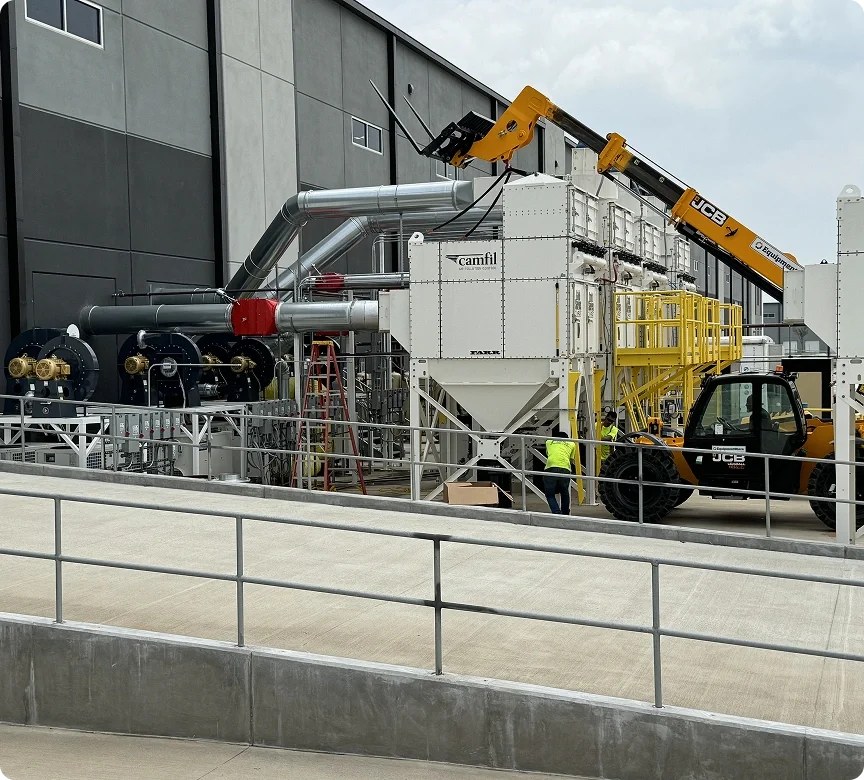
Explosive Dust
Combustible dust generated during manufacturing processes can create serious fire and explosion hazards. AQE designs systems that safely capture and manage explosive dust while supporting regulatory compliance.

Dust hazard analysis support
Combustible dust collection systems
NFPA-focused system design
Explosion protection integration
Safe material handling strategies
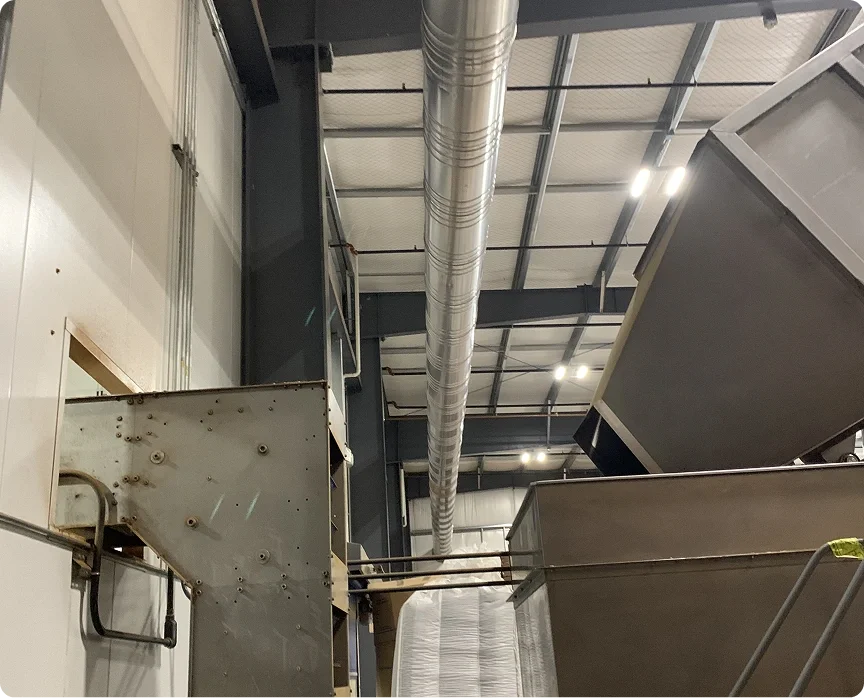
Silo Venting
Proper silo venting protects storage systems during filling operations while preventing dust emissions and pressure-related issues.
Silo vent filter design
Pressure relief solutions
Dust emission reduction
Material loading optimization
System performance monitoring
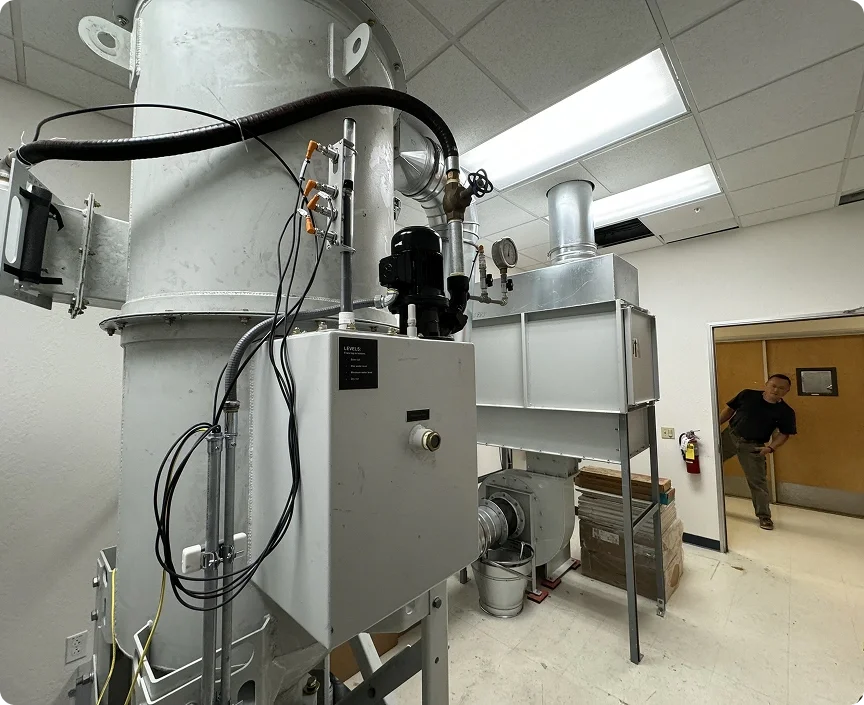
Pneumatic Conveying
AQE provides dust control and filtration solutions for pneumatic conveying systems that transport powders, pellets, and bulk materials.
Dust collection integration
Airflow optimization
Material transfer efficiency
Filter system selection
Process reliability improvements
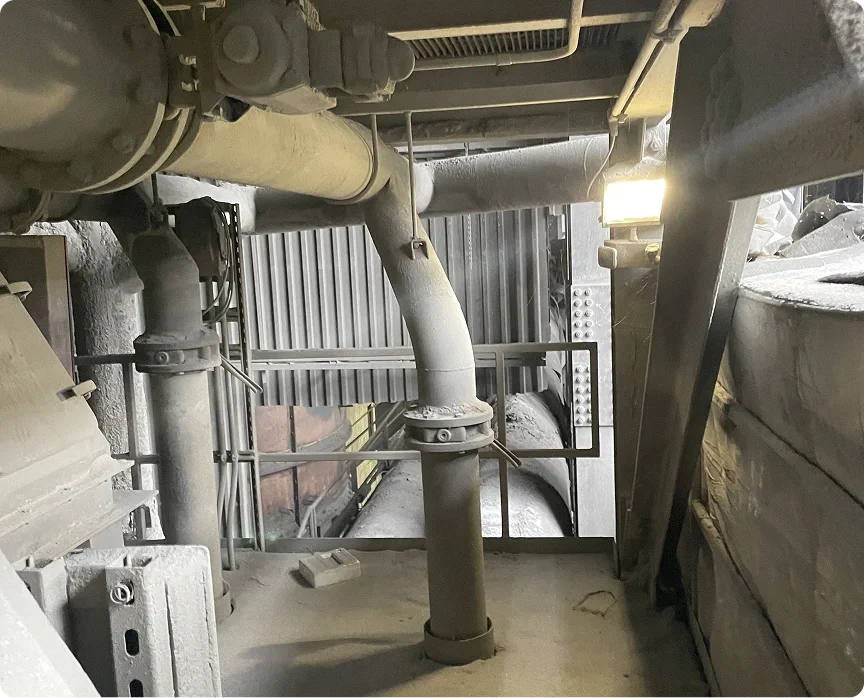
Material Handling
Material handling operations often generate airborne particulates. AQE develops solutions that reduce dust generation and improve facility cleanliness.
Transfer point dust control
Conveyor ventilation systems
Dust containment strategies
Workplace safety improvements
Reduced housekeeping requirements
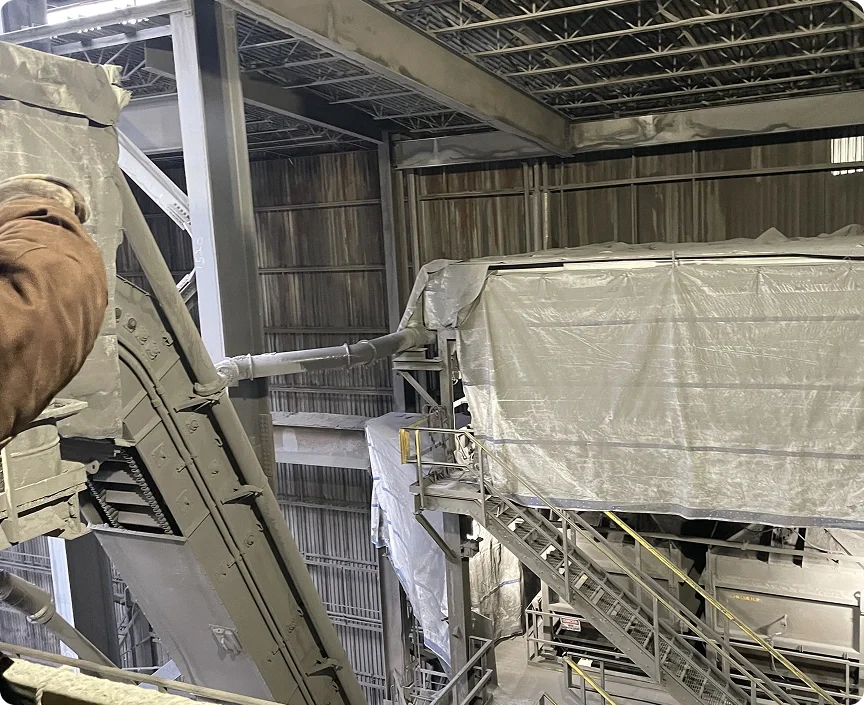
VOC Capture
Volatile Organic Compounds (VOCs) can impact employee health and environmental compliance. AQE designs systems that effectively capture and control VOC emissions.
VOC collection systems
Emission control strategies
Airflow engineering
Environmental compliance support
Process exhaust optimization
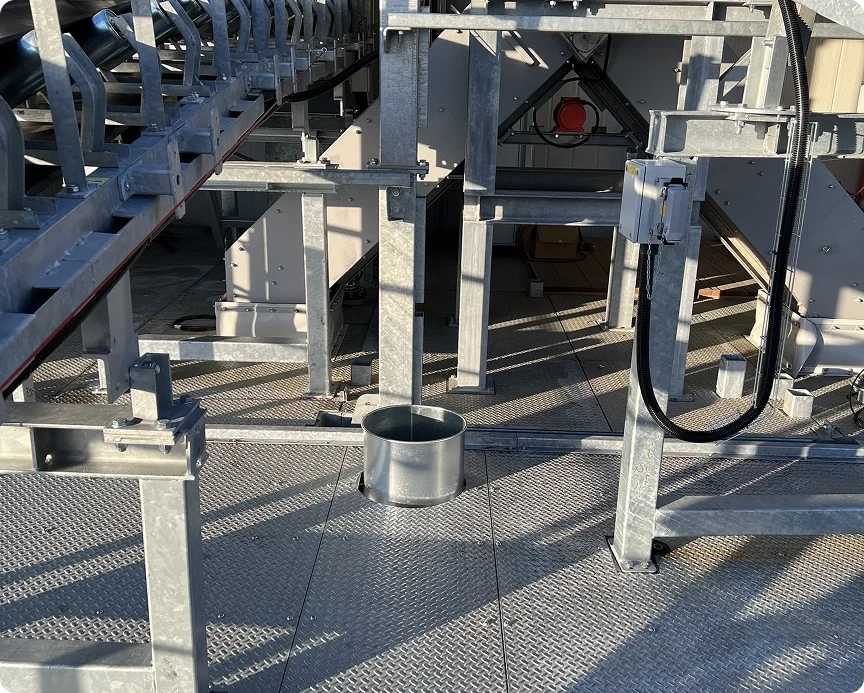
Toxic Emission Control
Facilities handling hazardous emissions require specialized control systems. AQE develops engineered solutions that reduce exposure risks and improve environmental performance.
Hazardous emission capture
Filtration system design
Regulatory compliance support
Exposure reduction strategies
Environmental monitoring solutions
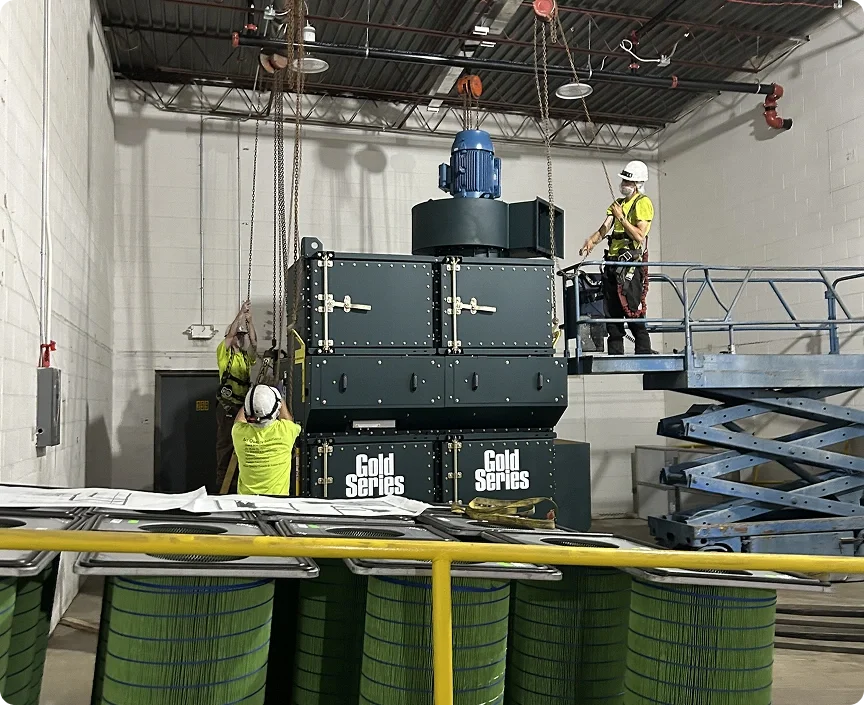
Respirable Dust
Respirable dust can pose significant health risks. AQE designs systems that reduce worker exposure and improve indoor air quality.
Fine particulate capture
Worker exposure reduction
Source control solutions
Facility air quality improvement
Airflow management systems
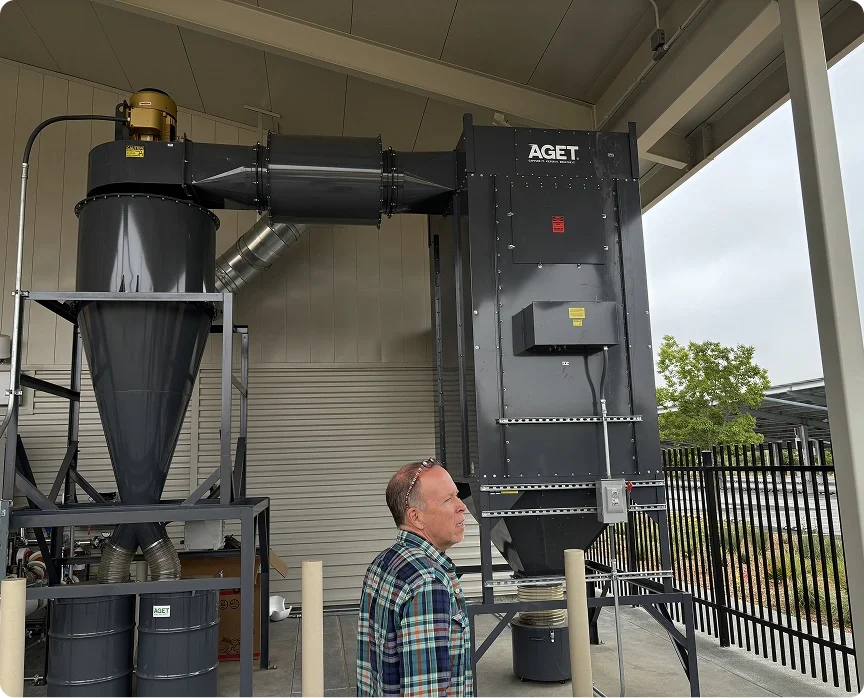
Nuisance Dust
Even non-hazardous dust can affect productivity, cleanliness, and employee comfort. AQE helps facilities control nuisance dust at its source.
Dust containment systems
Facility cleanliness improvements
Air filtration solutions
Process optimization
Reduced maintenance requirements
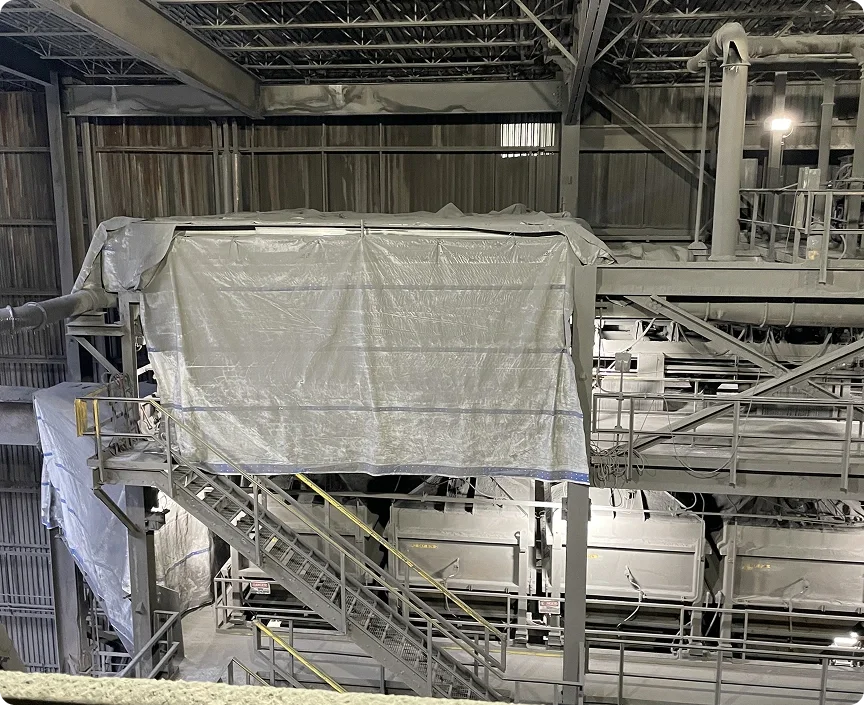
Process Dust Control
Many industrial processes create dust that must be controlled to maintain safety, product quality, and operational efficiency.
Process-specific dust collection
Source capture engineering
Production area filtration
Equipment integrationFacility air quality improvement
System performance optimization
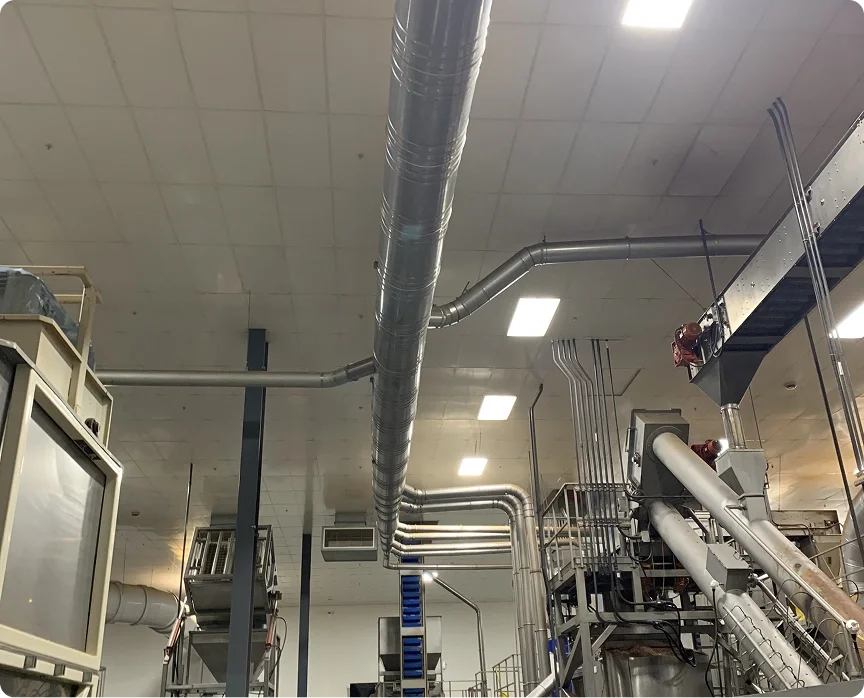
Air Pollution Control
AQE designs comprehensive air pollution control systems that help facilities manage emissions and achieve environmental objectives.
Emission reduction systems
Regulatory compliance assistance
Filtration technology selection
Air quality improvement strategies
Sustainable operating solutions
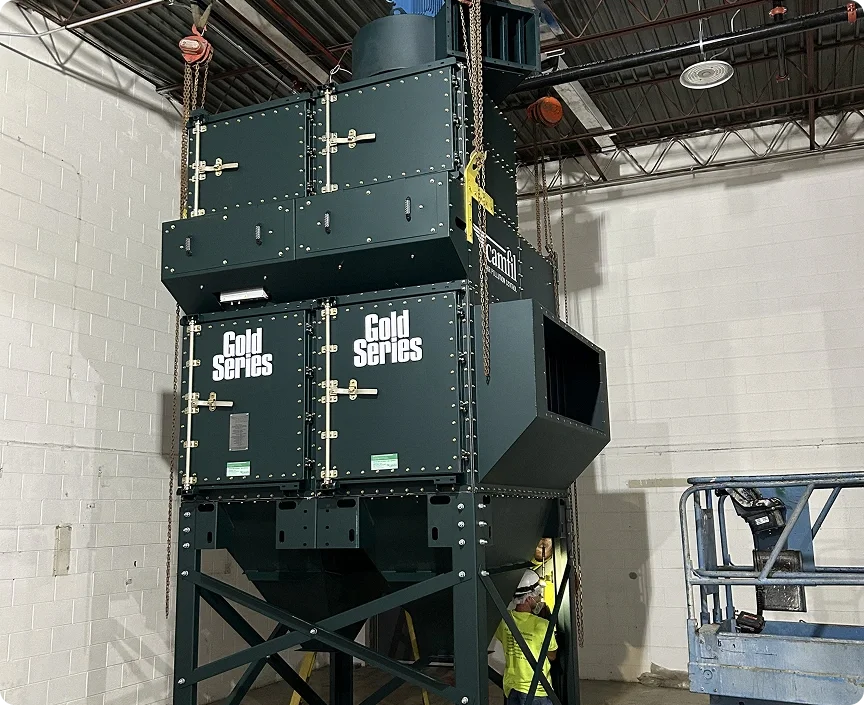
Ambient Air Filtration
Ambient air filtration systems continuously remove airborne contaminants from facility environments, creating cleaner and safer workplaces.
Facility-wide filtration
Air recirculation solutions
Employee comfort improvement
Dust reduction strategies
Indoor air quality enhancement
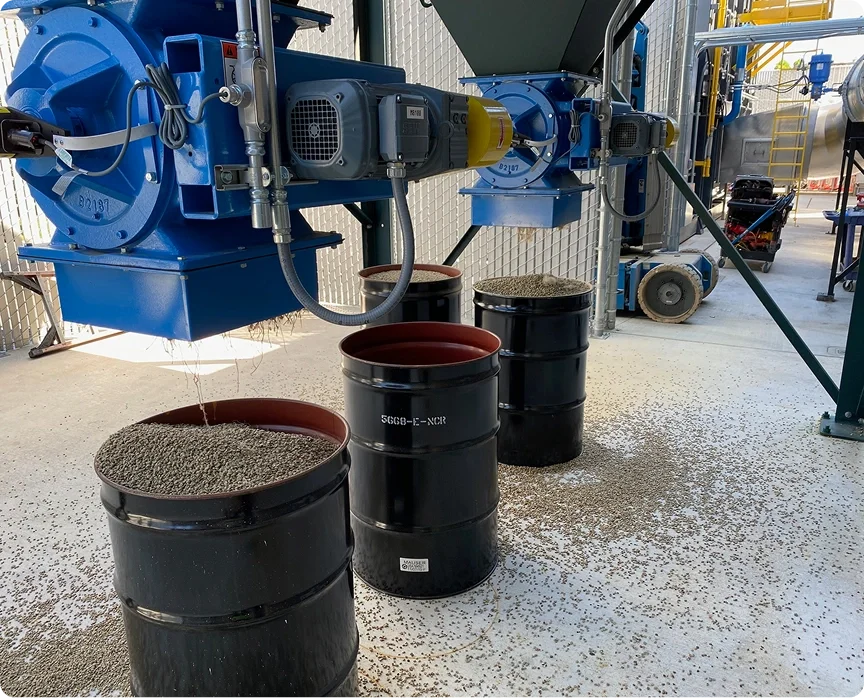
Source Capture
Capturing contaminants at the source is often the most effective way to control airborne hazards and improve air quality.
Local exhaust ventilation
Capture hood design
Process-specific engineering
Contaminant containment
Improved collection efficiency
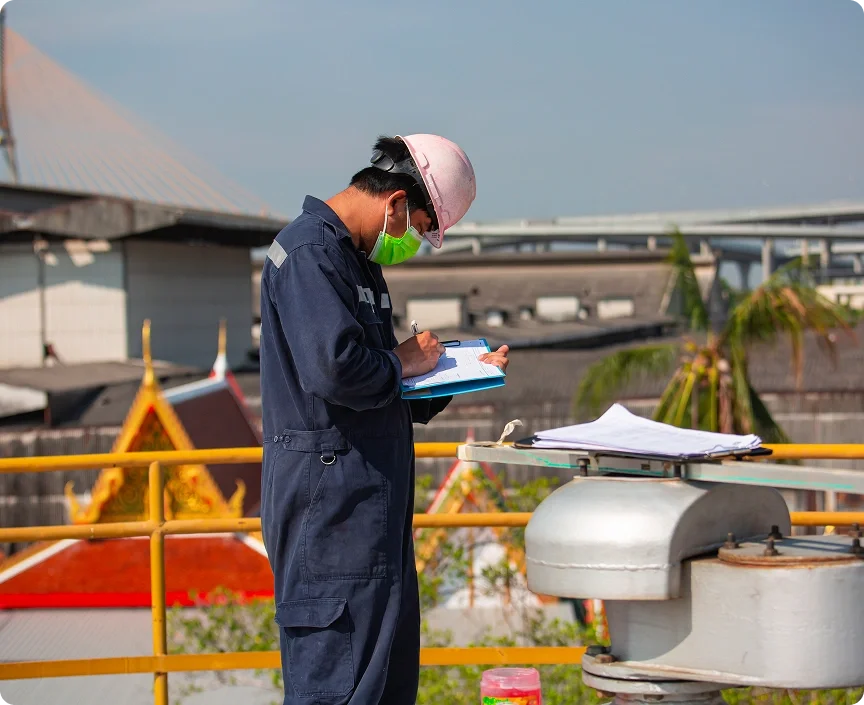
Industrial Ventilation
Proper ventilation is critical for maintaining healthy working environments and controlling airborne contaminants throughout industrial facilities.
Ventilation system design
Airflow balancing
Exhaust system engineering
Facility air circulation improvements
Energy-efficient solutions
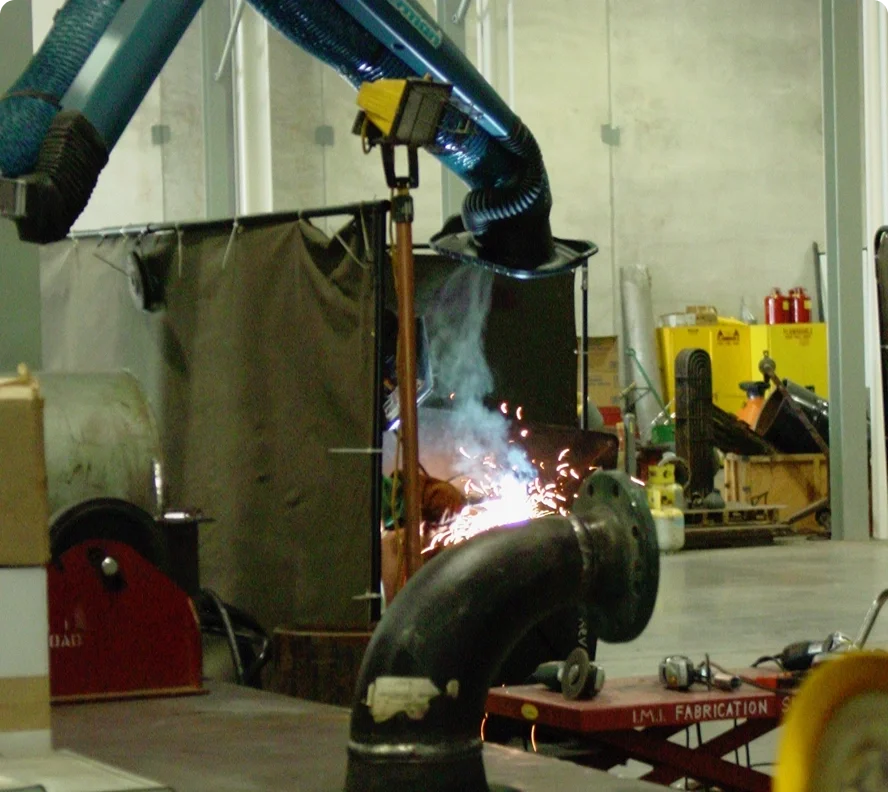
Mist Collection
Industrial processes such as machining, metalworking, cooling, lubrication, and chemical manufacturing often generate oil mist, coolant mist, and fine airborne particles.
Captures oil, coolant, and water-based mist
Improves indoor air quality and visibility
Reduces equipment contamination and maintenance
Enhances worker safety and comfort
Supports environmental and regulatory compliance
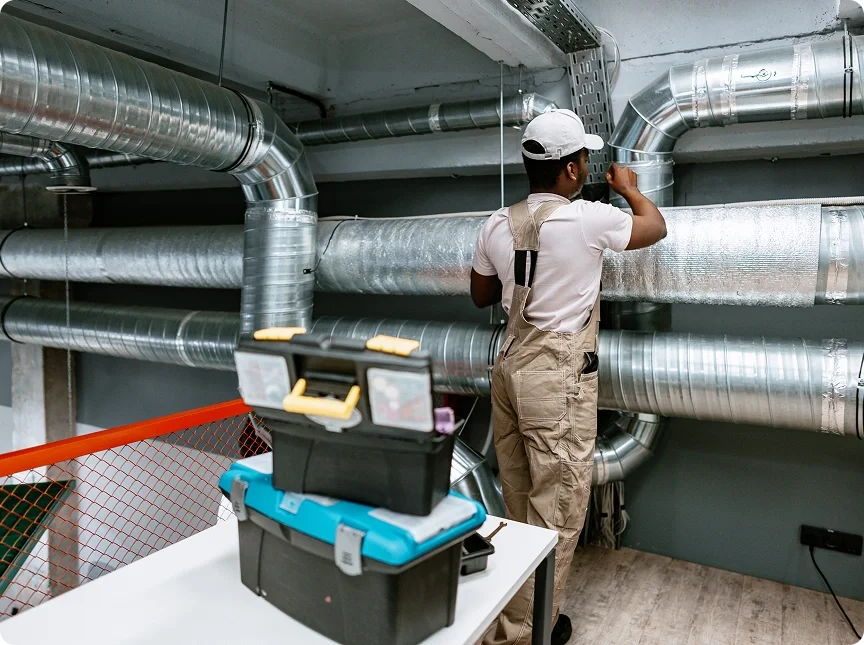
Ribbon Blending
Ribbon blenders are widely used to mix powders, granules, spices, chemicals, and food ingredients.
Dust collection system design
Source capture hoods and enclosures
Local exhaust ventilation systems
Airflow balancing and optimization
High-efficiency filtration technologies